Retro Registered Nurse SVG: A Designer’s Review
As a designer who has spent countless hours digitizing and stitching out thousands of designs, I have learned that not every digital embroidery file is created equal. Some look fantastic on a screen but turn into a tangled mess of thread breaks and puckering on fabric. When I first encountered the Retro Registered Nurse Svg, my immediate reaction was one of cautious optimism. The retro aesthetic is having a massive moment in the Crafts community, especially for healthcare professionals looking for vintage-inspired pride wear. But does this specific asset hold up under the needle?
I decided to put this design through its paces, treating it not just as a clip art image, but as a potential cornerstone for a client’s custom apparel line. Here is my honest assessment of how this graphic performs in real-world embroidery scenarios.
First Impressions and Visual Personality
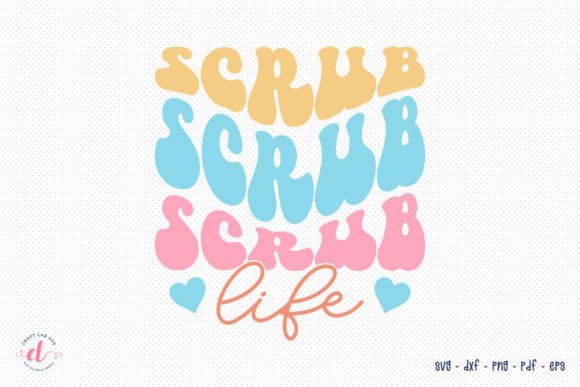
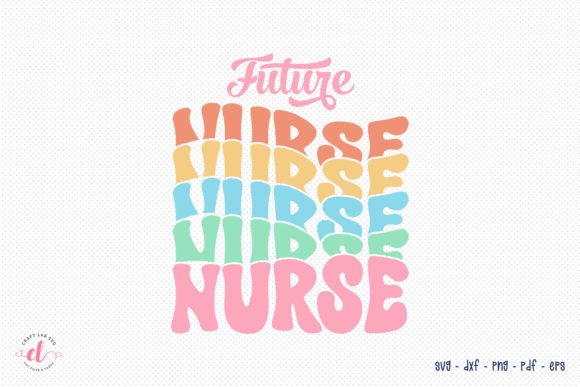
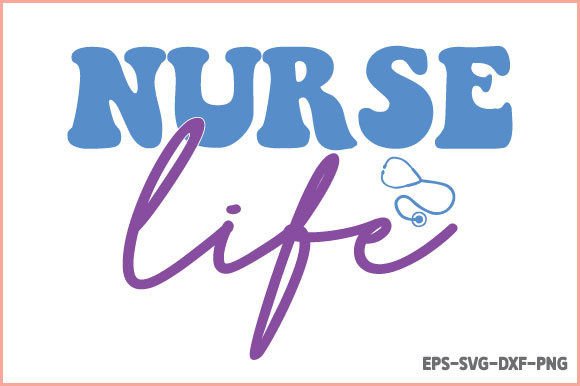
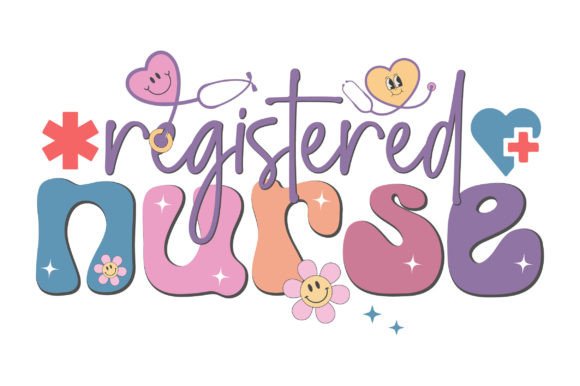
The mood of the Retro Registered Nurse Svg is instantly recognizable. It leans heavily into the nostalgic, mid-century vibe that is currently dominating social media trends. The shapes are bold, and the layout feels balanced, which is crucial when you are translating a 2D image into a textured finished product. For embroidery designers, the clarity of the lines is the first thing we check. If the details are too fine, they get lost in the stitch structure. Fortunately, this design features strong, defined edges that suggest it will translate well into satin stitches or clean fill stitches without requiring excessive micro-detailing that often leads to thread breaks.
The visual personality is warm and professional, making it an ideal candidate for personalized gifts and boutique branding. It does not feel cluttered, which is a common pitfall in retro-style graphics where designers try to cram too many elements into a small space. This restraint is a virtue in embroidery, where less is often more.
Real-World Application: The Tote Bag Test
To truly evaluate the design, I simulated a project for a local nursing school’s graduation gift batch. The goal was to create a durable, stylish tote bag design that students could use daily. I chose a heavy canvas tote because the sturdy fabric provides a stable base for embroidery, minimizing the need for aggressive hooping techniques.
Using the provided files, I prepared the design for a medium-sized hoop. The result was impressive. The bold lines of the retro nurse motif stood out clearly against the natural canvas. Because the design relies on solid shapes rather than intricate shading, it allowed for a consistent stitch density that kept the production time reasonable. For an Etsy seller or small shop owner, production speed is just as important as aesthetics. A design that stitches out cleanly in under thirty minutes is a goldmine for commercial viability.
I also tested the concept on a fleece sweatshirt. Here, the embroidery project required a bit more caution. Fleece is plush and can swallow small details. However, since the Retro Registered Nurse Svg uses broader strokes, it remained legible. I recommended using a cut-away stabilizer to prevent the weight of the stitches from pulling the fabric down over time, ensuring the handmade product maintains its shape after multiple washes.
Navigating Fabric and Hoop Constraints
While the design is versatile, it is not without its limitations. Embroidery is a physical medium, and physics always wins. If you are planning to use this on a curved surface like a cap, you must be mindful of the hoop size. A standard cap frame might distort the wider elements of the design if it is scaled too large. I advise testing the design on scrap fabric first, specifically checking how the edges behave on curved surfaces.
Textured fabrics present another challenge. On a waffle-knit towel or a rough linen, the crispness of the retro lines might soften. In these cases, increasing the stitch count slightly or using a denser fill stitch can help maintain definition. Conversely, on thin, stretchy fabrics like performance tees, you must use a high-quality stabilizer to prevent puckering. The design itself is robust, but the fabric choice dictates the final quality of the custom apparel.
Dark fabrics require special attention to thread color contrast. The retro palette often includes muted tones, which can disappear on black or navy garments. I recommend running a test stitch in black and white mockups to ensure the design remains visible. Sometimes, adding a simple white border or using a lighter thread color for the outline can make the embroidered patch pop without altering the core aesthetic.
Commercial Viability and Brand Consistency
For craft business owners, the value of a design lies in its ability to sell. The Retro Registered Nurse Svg taps into a specific niche with high emotional resonance. Nurses take immense pride in their profession, and a vintage-style tribute feels more sophisticated than a generic modern logo. This enhances the perceived value of the personalized gift, allowing sellers to command a higher price point.
However, before listing this as a small shop product, you must verify the licensing terms. The product description mentions receiving PNG, SVG, DXF, and EPS files, which are standard for cutting machines and digital design, but it does not explicitly state the license for machine embroidery conversion. Always confirm whether the creator allows you to digitize the file for commercial embroidery sales. Using a design without proper clearance can lead to serious legal issues for your commercial embroidery business.
Additionally, consider how this design fits into your broader brand. If your shop specializes in delicate, floral baby embroidery, this bold retro style might feel out of place. But if you focus on statement pieces for adults, such as sweatshirt embroidery or aprons for healthcare workers, it is a perfect fit. Consistency builds trust, and customers return to shops that have a clear, cohesive aesthetic.
Practical Notes for the Stitcher
Before you commit to a full production run, keep these practical tips in mind:
- Test on Scrap Fabric: Never stitch a new design directly on the final garment. Use a similar fabric scrap to check tension and density.
- Check Thread Colors: Retro palettes can be tricky. Ensure your thread inventory matches the intended vibe, or be prepared to substitute colors creatively.
- Review Stitch Density: If you are digitizing this yourself from the SVG, avoid making the fill too dense. High density leads to stiffness and potential fabric distortion.
- Confirm Hoop Size: Measure the design dimensions against your machine’s maximum hoop area to avoid resizing issues that compromise quality.
- Inspect Small Details: Zoom in on the digital file. Are there tiny gaps or overlapping lines? Clean up the vector paths before digitizing to ensure smooth stitching.
In conclusion, the Retro Registered Nurse Svg is a strong contender for any designer looking to expand their portfolio of healthcare-themed assets. It offers a blend of nostalgia and professionalism that resonates with buyers. With careful attention to fabric choice, stabilizer selection, and licensing compliance, this design can elevate your holiday embroidery collections, everyday apparel decorators projects, and unique design assets. It is not just a graphic; it is a tool for creating meaningful, high-quality products that celebrate the nursing profession with style and respect.